How to Perform a Full Body Scan for Relaxation
Body scan meditation is a structured mindfulness practice that involves directing attention sequentially through different regions of the body. The approach is often described as a way to cultivate awareness of physical sensations without attempting to change them. Within the broader context of relaxation techniques, a full body scan is typically presented as a method that may support a sense of calm and somatic awareness. This article outlines a step-by-step process, discusses practical considerations for maintaining focus, and highlights contextual factors that can influence the experience. The information is intended for educational purposes and does not replace professional guidance. The practice can be adapted to individual preferences and circumstances.
The following sections describe a general framework that can be modified according to comfort, available time, and personal needs. No specific outcome is promised or guaranteed, as experiences vary widely. The approach is often used in settings such as mindfulness-based stress reduction programs, though it can be practiced independently. Readers are encouraged to consider their own health status and consult qualified professionals when appropriate. The material presented here is not a substitute for medical or psychological advice.
Understanding the Purpose and Context of a Full Body Scan
A full body scan is a contemplative exercise that involves moving attention through the body in a systematic way, often from the feet to the head or vice versa. The primary aim is not to force relaxation but to observe physical sensations as they are. This observational stance may allow tension patterns to become more apparent, and in some cases, the process of noticing may coincide with a sense of release. However, such effects are not guaranteed and depend on numerous factors, including the individual’s state, environment, and expectations. The practice is generally considered safe for most people, but it is not a treatment for any medical condition.
The technique is rooted in various mindfulness traditions and has been integrated into contemporary relaxation and stress management programs. It does not require special equipment or a particular belief system. The core elements include a comfortable position, a willingness to engage with present-moment experience, and a non-judgmental attitude. The duration can range from a few minutes to an hour or more, depending on the context. Some practitioners use guided audio recordings, while others prefer silent practice. The flexibility of the method makes it accessible to a wide range of individuals, though personal preferences and physical limitations should be taken into account.
It is important to note that the body scan is not a relaxation technique in the sense of forcing the body to calm down. Rather, it is a practice of attending to sensations, which may or may not lead to relaxation. The term “relaxation” is often used loosely, but in this context, it refers to a possible byproduct of increased awareness. The practice can be part of a broader routine that includes other forms of movement, rest, or professional care. The information here is descriptive and not prescriptive. Readers are advised to approach the practice with curiosity and self-compassion.
Step-by-Step Guide to Performing a Body Scan
The following steps provide a general sequence for a full body scan. The process can be adapted to individual needs, and there is no single correct way to practice. The steps are presented in a linear order, but attention may naturally shift, and that is acceptable. The key is to maintain a gentle and patient attitude. Before beginning, find a quiet space where you are unlikely to be disturbed. The environment can influence the experience, but it is not a strict requirement. Some people prefer lying down, while others sit in a chair. The choice depends on comfort and the ability to remain alert.
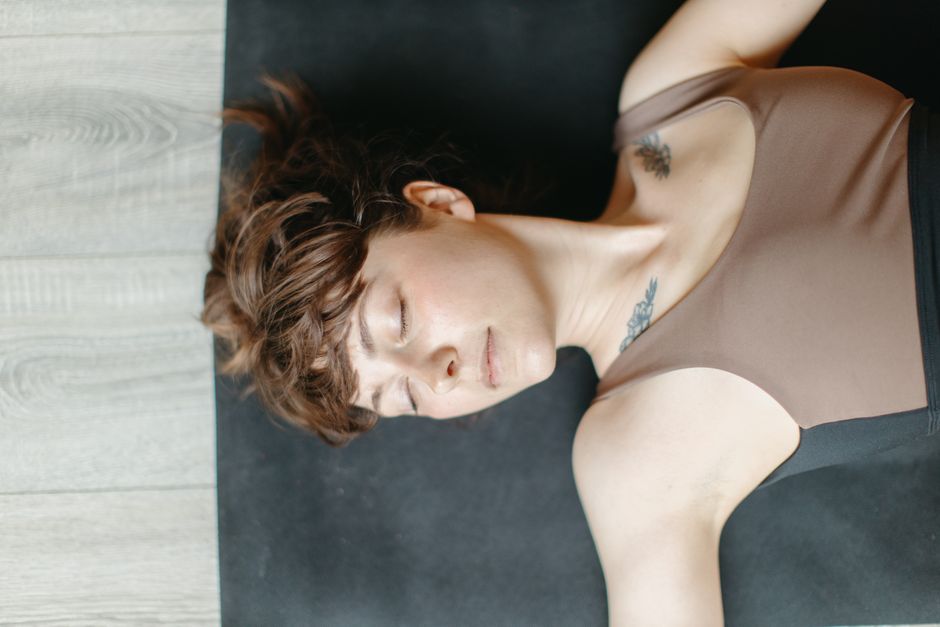
Begin by settling into a comfortable position. You may lie on your back with arms slightly away from the body, palms facing up, or sit with feet flat on the floor. Allow the body to be supported by the surface beneath you. Take a few moments to notice the contact points and the general sense of the body. There is no need to change anything; simply observe. When you feel ready, bring attention to the breath, noticing the natural rhythm of inhalation and exhalation. This initial focus can serve as an anchor before moving through the body.
Next, direct attention to the feet. Notice any sensations present, such as warmth, coolness, tingling, or pressure. If no sensations are apparent, that is also a valid observation. You might mentally note “feet” or simply be aware of the area. After a short while, gradually move attention to the ankles, then the calves, knees, and thighs. Move through each region slowly, allowing a few breaths or a brief pause before transitioning. The pace is personal; there is no need to rush. If the mind wanders, gently return to the current body region without criticism.
Continue the scan upward through the pelvis, lower back, abdomen, and chest. Notice any areas of tension, tightness, or ease. The goal is not to judge or fix these sensations but to acknowledge them. You may find that some areas feel more prominent than others. That is normal. After the torso, move to the hands, arms, shoulders, neck, and face. Include the jaw, eyes, and forehead. The face often holds subtle tension, and bringing awareness there can be informative. Finally, expand attention to the whole body, sensing it as a unified field of sensations. Rest in this awareness for a few moments before gently opening the eyes and moving on.
The entire process can take anywhere from ten to forty-five minutes. Beginners might start with a shorter duration and gradually extend the practice. It is also possible to do a quick scan in a few minutes by moving rapidly through the body. The effectiveness of the practice is not measured by time but by the quality of attention. Consistency may be helpful, but there is no requirement to practice daily. Some people find it beneficial to incorporate the scan into a morning or evening routine, while others use it as needed. The approach should be flexible and tailored to individual circumstances.
Tips for Maintaining Focus During the Practice
Maintaining focus during a body scan can be challenging, especially for beginners. The mind often wanders to thoughts, plans, or memories. This is a natural occurrence and not a sign of failure. One common strategy is to use the breath as an anchor. When you notice that attention has drifted, gently return to the breath and then to the body region you were scanning. This process of noticing and returning is itself a part of the practice. It can be helpful to approach distractions with a sense of curiosity rather than frustration.
Another tip is to adjust the pace. If you find that your mind is particularly restless, you might move through the body more quickly, spending less time on each region. Conversely, if you feel sleepy, you might open your eyes slightly or sit up rather than lie down. The environment can also play a role: a quiet space with minimal distractions may support focus, but it is not always possible. Some people use background sounds or guided audio to help maintain attention. Experimenting with different conditions can help you discover what works for you.
It can also be useful to set a gentle intention before starting. For example, you might decide to simply notice whatever arises without judgment. This intention can serve as a compass when the mind becomes entangled in thoughts. Additionally, keeping the practice relatively short at first can prevent fatigue and frustration. As you become more familiar with the sequence, you may find it easier to sustain attention for longer periods. Remember that the goal is not to achieve a blank mind but to cultivate awareness of the present moment.
If you notice persistent discomfort or emotional intensity during the scan, it is acceptable to pause or stop. You might choose to focus on a neutral area, such as the feet, or take a break entirely. The practice should not feel like a chore or a source of additional stress. Being kind to yourself is essential. Some days will be more challenging than others, and that is okay. The body scan is a skill that develops over time with patience and repetition.
Adapting the Practice and Considering Individual Factors
The body scan can be adapted to fit different needs and preferences. For individuals with physical limitations, it may be helpful to modify the position or skip certain areas. For example, if lying down causes discomfort, a seated posture may be more suitable. If a particular body part is injured or painful, you might choose to focus on it briefly or move past it. The practice is not rigid, and personal comfort should be a priority. It is also possible to integrate the scan with other relaxation techniques, such as progressive muscle relaxation or guided imagery.
The context in which the practice is done can influence the experience. A quiet room with dim lighting may be conducive to relaxation, but some people prefer natural settings or background music. The time of day can also matter; some find it easier to focus in the morning, while others prefer before bed. There is no universal best time. Experimentation and self-observation can help identify what works best for you. It is also worth noting that the effects of the practice are often cumulative and may not be immediately apparent. Patience and consistency can be beneficial, but they are not guarantees.
Individuals with a history of trauma or certain mental health conditions may find that body-focused practices bring up difficult emotions or memories. In such cases, it is advisable to consult a qualified mental health professional before engaging in the practice or to seek guidance from a trauma-informed instructor. The information provided here is general and not tailored to specific clinical situations. Always prioritize your well-being and seek professional advice when needed. The body scan is a tool that can be used alongside other forms of care, not as a replacement.
Finally, the practice of a body scan can be a way to cultivate a greater connection with physical sensations and the present moment. While some people may experience relaxation as a result, others may simply gain insight into their body’s patterns. Both outcomes are valid. The intention is to approach the practice with openness and without expectation. Over time, the process itself may become a valuable part of a broader routine for well-being.