Mindful Walking: A Moving Meditation Practice
Mindful walking is a practice that integrates physical movement with present-moment awareness, transforming an ordinary stroll into a form of moving meditation. Unlike seated meditation, which often emphasizes stillness, mindful walking invites practitioners to use the natural rhythm of stepping as an anchor for attention. This approach can be particularly accessible for individuals who find sitting still challenging or who prefer to engage with the outdoors as part of their contemplative routine. The practice is rooted in various contemplative traditions but has been adapted in contemporary settings as a secular method for cultivating groundedness and mental clarity.
The core principle involves synchronizing steps with breath while maintaining an open awareness of bodily sensations and the surrounding environment. This guide outlines the fundamental elements of mindful walking, offering a structured yet flexible framework that can be tailored to individual preferences and circumstances. It is important to note that the information provided here is for educational purposes and does not constitute professional advice. The experiences and outcomes of such practices can vary widely based on personal factors and context.
In the following sections, we will explore the foundational techniques, the role of breath coordination, methods for staying grounded outdoors, and considerations for integrating this practice into daily life. While the practice itself is simple, the nuances of attention and posture can significantly influence the quality of the experience. By approaching mindful walking with curiosity and patience, individuals may discover a sustainable way to nurture both body and mind.
Understanding Mindful Walking as a Moving Meditation
Mindful walking is often described as a moving meditation because it shares the same essential goal as its seated counterpart: to cultivate a non-judgmental awareness of the present moment. In this practice, the object of attention is not the breath alone but the entire process of walking—the lifting, shifting, and placing of each foot. This focus on movement can help dissipate restless energy and provide a tangible anchor when the mind begins to wander. Many practitioners find that the rhythmic nature of walking naturally induces a calming effect, making it easier to observe thoughts and sensations without becoming entangled in them.
The distinction between mindful walking and ordinary walking lies in the quality of attention. While walking from one place to another is often automatic and accompanied by mental distractions, mindful walking involves a deliberate intention to stay present. This intention is not about achieving a particular state but about repeatedly returning to the sensory experience of walking whenever attention drifts. Over time, this repeated return can strengthen the capacity for sustained focus and emotional regulation, though individual results may differ.
Incorporating mindful walking into a routine does not require special equipment or a designated location. A quiet park, a nature trail, or even a hallway can serve as a suitable environment. The practice can be done at any pace, although a slower, more deliberate pace is often recommended for beginners to facilitate detailed observation. As comfort and familiarity grow, individuals may adjust the speed to match their natural stride. The key is to maintain a gentle, inquisitive attitude toward whatever arises in each moment.
Synchronizing Steps with Breath
Breath coordination is a central technique in mindful walking, as it links the physiological process of breathing with the mechanical act of stepping. One common method is to synchronize the breath with a specific number of steps. For example, a practitioner might inhale for three steps and exhale for four steps, or vice versa, depending on what feels comfortable. This pattern is not a rigid rule but a guideline that can be modified to suit individual lung capacity and walking speed. The goal is to create a gentle rhythm that supports steady attention without causing strain or breathlessness.
When beginning this practice, it can be helpful to start with a natural breath and simply notice how many steps occur during each inhalation and exhalation. There is no need to force a particular count; instead, observe the breath as it is and allow the steps to align with it. If the mind becomes scattered, returning to the sensation of the breath moving in and out, coupled with the feeling of the feet making contact with the ground, can serve as a reliable anchor. This dual focus on breath and movement can enhance the sense of being grounded in the body.
It is worth noting that breath synchronization may not be suitable for everyone, especially those with respiratory conditions or those who find it distracting. In such cases, simply walking with awareness of the breath as it naturally occurs, without attempting to control its pace, can be equally effective. The practice is adaptable, and individuals are encouraged to experiment with different approaches to find what works best for them. As with any contemplative practice, consistency and patience are more important than perfect technique.
Staying Grounded Outdoors
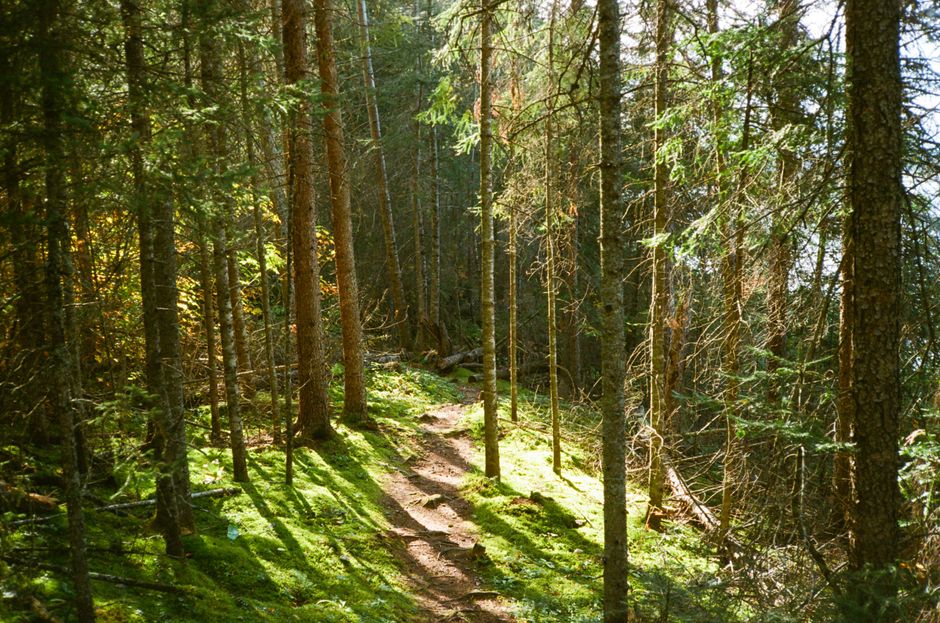
Practicing mindful walking outdoors offers a rich array of sensory inputs that can support grounding and presence. The feel of the ground beneath the feet, the sound of birds or rustling leaves, the scent of fresh air, and the sight of natural scenery all provide opportunities to anchor attention in the here and now. When walking outdoors, it can be helpful to periodically broaden awareness to include these environmental elements while still maintaining a primary focus on the physical sensations of walking. This expanded awareness can foster a sense of connection to the surroundings without losing the meditative quality of the practice.
To stay grounded, some practitioners find it useful to mentally note the sensations in the feet as they lift, move, and place each step. Others prefer to focus on the contact of the heel, ball, and toes with the ground. These techniques can help prevent the mind from drifting into planning or rumination. Additionally, walking on varied terrain, such as grass, gravel, or sand, can provide distinct tactile feedback that enhances sensory awareness. However, it is advisable to choose safe and accessible paths, especially when starting out, to avoid tripping or injury.
Weather conditions and personal comfort also play a role in the outdoor practice. Some individuals enjoy the invigorating effect of cool air, while others may prefer milder temperatures. Dressing appropriately and being mindful of one’s physical limitations can make the experience more pleasant and sustainable. It is also important to respect local regulations and natural environments, leaving no trace and minimizing disturbance to wildlife. By approaching outdoor mindful walking with a spirit of respect and curiosity, practitioners can cultivate a deeper appreciation for the natural world.
Integrating Mindful Walking into Daily Life
One of the strengths of mindful walking is its versatility; it can be woven into everyday activities without requiring a significant time commitment. For instance, walking from a car to a building, strolling during a lunch break, or taking a dog for a walk can all become opportunities for practice. The key is to set a clear intention to be present for the duration of the walk, however brief. Even a few minutes of mindful walking can interrupt habitual patterns of stress and distraction, offering a small pause in a busy day.
For those who wish to establish a more formal routine, setting aside a specific time each day for a longer walk can be beneficial. Consistency can help build momentum, but it is equally important to avoid rigid expectations. Some days may feel more focused than others, and that is a normal part of any practice. If a walk is missed, it is not a failure; simply resume when possible without self-criticism. The non-judgmental attitude cultivated during the walk can extend to how one relates to the practice itself.
Additionally, mindful walking can be combined with other contemplative activities, such as listening to guided audio or practicing loving-kindness phrases with each step. These variations can keep the practice fresh and engaging. However, it is advisable to keep the core elements of breath and step awareness as the foundation. As with any skill, proficiency develops gradually, and the benefits are often cumulative rather than immediate. Patience and self-compassion are essential companions on this journey.
Considerations and Adaptations
While mindful walking is generally safe for most people, there are certain considerations to keep in mind. Individuals with balance issues, chronic pain, or cardiovascular conditions may need to consult a healthcare professional before beginning a new physical practice. Modifications such as walking on flat surfaces, using a walking aid, or shortening the duration can make the practice more accessible. It is also important to listen to the body’s signals and rest when needed. The practice should not be a source of strain or competition, but rather a gentle exploration of movement and awareness.
Beginners often encounter common challenges, such as impatience, boredom, or the belief that they are not doing it right. These experiences are normal and can be acknowledged without judgment. Reminding oneself that the goal is not to achieve a blank mind but to notice when the mind wanders and gently return is crucial. Over time, this process can build resilience and equanimity. If difficulties persist, seeking guidance from a qualified instructor or joining a group can provide support and additional perspectives.
Ultimately, mindful walking is a personal practice that can be adapted to fit individual needs and preferences. There is no single correct way to do it, and the most effective approach is one that is sustainable and meaningful for the practitioner. By approaching it with an open mind and a spirit of inquiry, individuals may discover a valuable tool for enhancing well-being and connection to the present moment. As with any contemplative endeavor, the benefits are likely to unfold gradually and may vary from person to person.