Understanding the Role of Breath in Meditation
Breath is often described as the bridge between the body and the mind. In meditation, it serves as both an anchor for attention and a physiological lever that can influence the autonomic nervous system. The autonomic nervous system regulates involuntary functions such as heart rate, digestion, and respiratory rate, and it consists of two main branches: the sympathetic nervous system, which governs the fight-or-flight response, and the parasympathetic nervous system, which promotes rest and digest. By consciously altering the rhythm and depth of breathing, individuals may modulate the balance between these branches, potentially leading to a state of greater calm and mental clarity.
For beginners, understanding the mechanics of breath is a practical starting point. Unlike many other bodily processes, breathing can be voluntarily controlled, yet it also continues automatically. This dual nature makes it an accessible tool for self-regulation. Foundational techniques such as diaphragmatic breathing—often called belly breathing—engage the diaphragm, a dome-shaped muscle at the base of the lungs, rather than relying primarily on the chest and shoulders. This approach tends to be more efficient and can be practiced by almost anyone, regardless of experience level.
This article explores the role of breath in meditation, focusing on how conscious breathing influences the autonomic nervous system. It outlines several foundational techniques and discusses their potential benefits for beginners. The information presented is intended for educational purposes and is not a substitute for professional medical or psychological advice. Individual experiences may vary, and factors such as overall health, environment, and consistency of practice can affect outcomes.
The Physiology of Breath and the Autonomic Nervous System
The autonomic nervous system operates largely below the level of conscious awareness, but breathing is unique because it can be both involuntary and voluntary. When you breathe slowly and deeply, you activate stretch receptors in the lungs and airways that send signals to the brainstem. These signals can enhance parasympathetic activity, which slows heart rate and promotes relaxation. Conversely, rapid, shallow breathing tends to stimulate the sympathetic nervous system, increasing alertness and, in some cases, anxiety. This relationship is bidirectional: emotional states influence breathing patterns, and breathing patterns can influence emotional states.
One key mechanism involves the vagus nerve, a major component of the parasympathetic nervous system. The vagus nerve connects the brain to various organs, including the heart and lungs. Slow, diaphragmatic breathing has been associated with increased vagal tone, which is a measure of how well the parasympathetic nervous system is functioning. Higher vagal tone is generally linked to better stress regulation, improved emotional resilience, and more efficient recovery from stress. However, these associations are correlational, and individual results can vary widely based on genetics, lifestyle, and other factors.
Another aspect is the role of carbon dioxide and oxygen balance. Overbreathing, or hyperventilation, can lead to reduced carbon dioxide levels in the blood, causing symptoms such as dizziness, tingling, and increased heart rate. By contrast, slow, controlled breathing helps maintain a healthy balance of gases in the bloodstream. This balance is important for optimal functioning of cells and organs. In meditation, the goal is not to force a particular pattern but to cultivate awareness of the breath as it is, allowing it to naturally settle into a more rhythmic and efficient pattern.
Research on breathwork and meditation suggests that consistent practice may lead to changes in brain regions involved in attention, interoception (the sense of the internal state of the body), and emotional regulation. For example, studies using neuroimaging have shown that experienced meditators often have increased gray matter density in areas such as the insula and prefrontal cortex. These changes are thought to underlie improvements in self-awareness and emotional control. Nevertheless, the field is still evolving, and more rigorous studies are needed to fully understand the mechanisms and long-term effects.
Foundational Breathing Techniques for Beginners
Beginners can explore several core techniques that emphasize conscious breathing. These techniques are generally safe for most people, but it is advisable to consult a healthcare professional if you have any underlying respiratory or cardiovascular conditions. The following methods can be practiced while sitting, lying down, or even standing, depending on comfort and mobility.
- Diaphragmatic Breathing: Place one hand on your chest and the other on your belly. Inhale slowly through your nose, allowing your belly to rise while your chest remains relatively still. Exhale slowly through your mouth or nose, feeling your belly fall. This practice helps engage the diaphragm and can be done for 5–10 minutes daily.
- Box Breathing: Inhale for a count of four, hold for four, exhale for four, and hold for four. This equal-ratio breathing can promote a sense of balance and is often used in high-stress situations. It is important to avoid straining; if the counts feel too long, shorten them.
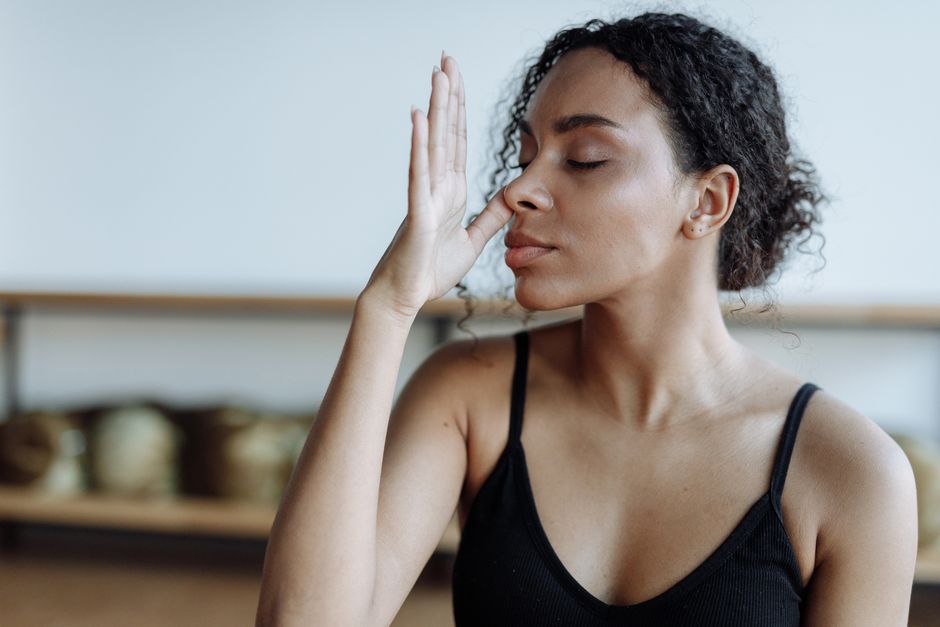
- Alternate Nostril Breathing: Close your right nostril with your thumb, inhale through the left nostril, then close the left nostril and exhale through the right. Repeat by inhaling through the right and exhaling through the left. This technique may help balance the nervous system and improve focus.
- 4-7-8 Breathing: Inhale through the nose for four counts, hold for seven, and exhale through the mouth for eight. This pattern is often suggested for inducing relaxation before sleep, but it can be used anytime.
When practicing these techniques, the quality of attention matters as much as the mechanics. The goal is to observe the breath without judgment, gently returning to it whenever the mind wanders. This process of returning is itself a form of mental training that can strengthen attention and reduce reactivity. It is common for beginners to experience restlessness or frustration; these are normal parts of the learning curve and can be acknowledged without self-criticism.
Consistency is often more important than duration. Short, regular sessions—even just a few minutes a day—can help build familiarity and comfort. Over time, the breath may naturally become slower and smoother, but this should not be forced. Forcing the breath can create tension and undermine the relaxation response. Instead, allow the breath to find its own rhythm, using the techniques as gentle guides rather than rigid rules.
Potential Benefits and Considerations for Beginners
The benefits of conscious breathing in meditation are multifaceted and may include reduced perceived stress, improved mood, and enhanced cognitive flexibility. As mentioned, these effects are not guaranteed and depend on various factors, including the individual’s baseline state, the regularity of practice, and the context in which it is applied. Some people report immediate calming effects, while others may need weeks of practice to notice changes. It is also possible that some individuals may experience increased anxiety when focusing on the breath, particularly if they have a history of trauma. In such cases, it may be helpful to work with a qualified instructor or therapist.
From a physiological standpoint, regular practice of diaphragmatic breathing has been shown to lower heart rate and blood pressure in some studies, but these findings are not universal. The autonomic nervous system is highly adaptable, and its responses can be influenced by numerous external and internal cues. Therefore, it is more accurate to view conscious breathing as one tool among many that may support overall well-being, rather than a standalone solution.
Breath awareness is not about achieving a perfect state; it is about cultivating a compassionate curiosity toward your present-moment experience.
For beginners, setting realistic expectations is key. Meditation is a skill that develops over time, and progress is often non-linear. Some days the breath may feel smooth and easy; on others, it may feel tight or shallow. Both are part of the practice. The act of showing up and paying attention, regardless of the quality of the breath, is itself a meaningful exercise in mindfulness.
Integrating breath awareness into daily life can also be beneficial. For example, taking a few conscious breaths before a meeting, during a commute, or while waiting in line can help create small moments of calm. These micro-practices can reinforce the habit and make formal meditation feel more natural. Still Point, a company that offers resources for contemplative practices, emphasizes that even brief moments of intentional breathing can contribute to a sense of groundedness.
Integrating Breathwork into a Broader Practice
While breath-focused meditation can be practiced on its own, it often serves as a foundation for other contemplative practices. For instance, in mindfulness-based stress reduction (MBSR), breath awareness is a core component that supports body scans, sitting meditation, and gentle movement. Similarly, in many traditions of yoga and tai chi, breath is coordinated with movement to cultivate harmony between body and mind. These integrated approaches may enhance the overall benefits by engaging multiple systems simultaneously.
When incorporating breathwork into a broader practice, it is useful to consider the following:
- Start with short sessions: Begin with 5–10 minutes of formal breath practice and gradually extend as comfort allows.
- Link breath to routine: Anchor your practice to an existing habit, such as after waking up or before bedtime, to increase consistency.
- Use props if needed: A cushion, chair, or wall can provide support for maintaining a comfortable posture.
- Be patient with yourself: Progress may be subtle, and comparing your experience to others is rarely helpful.
- Seek guidance if needed: Books, apps, and teachers can offer structure and answer questions, but choose sources that align with your needs and values.
It is also important to recognize that breathwork is not a replacement for medical or psychological treatment. If you are dealing with a health condition, it is advisable to consult with a qualified professional before making any significant changes to your routine. The information here is intended to inform, not to prescribe.
Ultimately, the role of breath in meditation is both simple and profound. It offers a direct way to interact with the autonomic nervous system, fostering conditions that may support relaxation and resilience. For beginners, the journey begins with a single conscious breath, and from there, the practice unfolds at its own pace. By approaching it with curiosity and kindness, you may discover a reliable companion in your exploration of well-being.