Training Your Attention with Focused Meditation

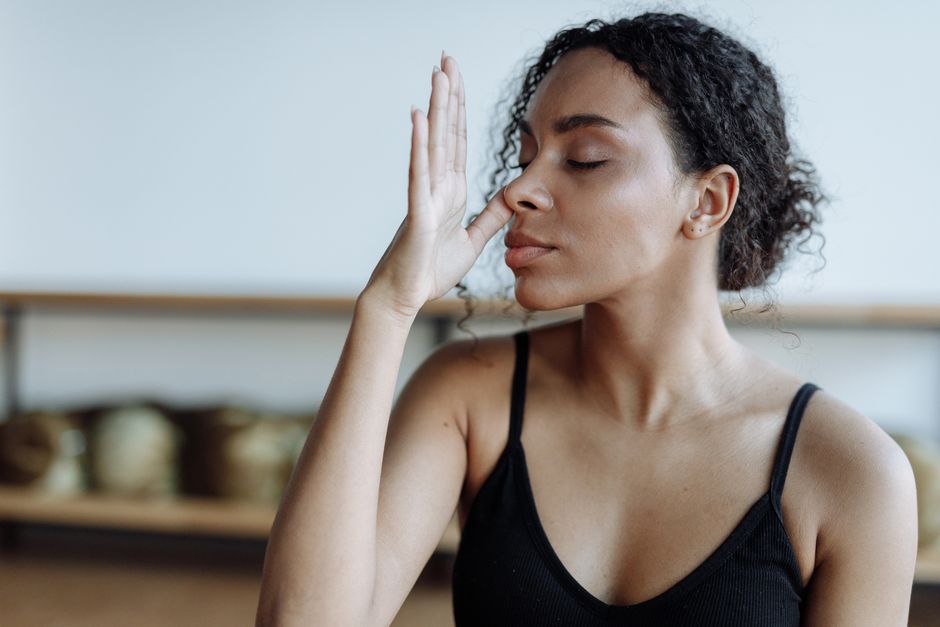
Focused attention meditation is a foundational practice that involves directing your attention to a single object, such as the breath, a sound, or a visual point. The core principle is simple: when the mind wanders, you gently return your focus to the chosen anchor. This repeated cycle of noticing distraction and redirecting attention is the mental exercise that strengthens concentration over time. Unlike open monitoring practices that encourage a broad awareness of whatever arises, focused attention meditation deliberately narrows the spotlight of attention to cultivate stability and clarity.
Many people turn to focused attention meditation as a way to improve their ability to concentrate in daily life. The practice is accessible, requires no special equipment, and can be done almost anywhere. While the immediate experience may vary from session to session, the underlying process of training attention is what matters. As with any skill, consistency and patience play significant roles. This article explores how focused attention meditation works, its potential relationship to cognitive performance, and practical tips for building a sustainable practice.
It is important to approach this topic with a neutral perspective. Meditation is not a quick fix, and its effects depend on numerous factors, including individual differences, lifestyle, and the quality of instruction. The information presented here is for educational purposes and is not a substitute for professional advice. With that in mind, let us examine the mechanics of focused attention meditation and how it can be integrated into a balanced routine.
Understanding Focused Attention Meditation
Focused attention meditation is one of the most widely studied forms of meditation in contemplative science. At its core, the practice involves selecting a specific object of attention and maintaining focus on it for a period of time. The object can be the sensation of breathing, a repeated word or phrase, a candle flame, or even a physical sensation in the body. The choice of object is less important than the act of returning to it each time the mind drifts. This process is often compared to strengthening a muscle: each time you bring your attention back, you are reinforcing the neural pathways associated with concentration.
Research suggests that focused attention meditation engages several cognitive processes, including sustained attention, selective attention, and executive control. Sustained attention refers to the ability to maintain focus over time, while selective attention involves ignoring distractions. Executive control is the higher-order process that allows you to monitor your attention and make adjustments. By repeatedly practicing these mental operations, you may enhance your capacity to concentrate in other contexts. However, it is essential to note that individual results can vary widely, and scientific findings are still evolving.
One common misconception is that focused attention meditation aims to stop thoughts entirely. In reality, thoughts will arise; the practice is about noticing them without judgment and gently redirecting your focus. This non-reactive stance is a key component of mindfulness and distinguishes focused attention from mere concentration exercises. Over time, practitioners often report a greater sense of calm and an improved ability to stay present, though these experiences are subjective and not guaranteed.
How Concentration and Cognitive Performance May Be Affected
The relationship between focused attention meditation and cognitive performance is an active area of research. Some studies have observed that regular meditators perform better on tasks requiring sustained attention and working memory. For example, participants in certain experiments showed improved accuracy and faster reaction times after several weeks of training. These findings suggest that meditation might enhance the efficiency of attentional networks in the brain, particularly those involving the prefrontal cortex and parietal regions.
However, it is crucial to interpret such results with caution. Cognitive performance is influenced by many variables, including sleep, stress, nutrition, and physical activity. Meditation is just one factor among many, and its effects may be modest or context-dependent. Furthermore, not all studies find significant benefits, and methodological differences can lead to inconsistent outcomes. Therefore, while focused attention meditation may support cognitive function, it should not be viewed as a standalone solution for attention-related challenges.
From a practical standpoint, improved concentration can manifest in everyday activities such as reading, working on complex tasks, or engaging in conversations. Some individuals notice that they are less easily distracted and can sustain focus for longer periods. Others may find that their ability to switch between tasks becomes more efficient. These potential benefits are often reported anecdotally, and more rigorous research is needed to establish causal links. Nevertheless, the practice itself is generally safe and accessible for most people.
Building a Consistent Practice
Consistency is often cited as a key factor in any meditation practice. For focused attention meditation, establishing a regular routine can help integrate the practice into daily life. Start with short sessions, perhaps five to ten minutes, and gradually extend the duration as you become more comfortable. The goal is not to force concentration but to create a habit of returning to the present moment. Choosing a specific time and place each day can serve as a helpful cue, making it easier to remember to practice.
Here are some practical tips for building and maintaining a consistent practice:
- Set a regular time: Pick a time of day when you are relatively alert and unlikely to be interrupted, such as early morning or before bed.
- Create a dedicated space: A quiet corner with minimal distractions can signal to your mind that it is time to meditate.
- Start small: Begin with short sessions and increase gradually to prevent frustration.
- Use guided meditations: Apps or audio recordings can provide structure and guidance, especially for beginners.
- Be patient with yourself: Expect your mind to wander; it is a natural part of the process. Gently return your focus without self-criticism.
- Track your progress: Keeping a simple log can reinforce your commitment and help you notice patterns over time.
- Join a community: Group meditations or online forums can offer support and accountability.
It is also helpful to remember that missing a day does not mean failure. The practice is about returning, not about perfection. If you miss a session, simply resume the next day. Over time, you may find that the benefits of focused attention meditation extend beyond the cushion, influencing how you approach challenges and interact with others. Still Point encourages individuals to explore meditation as a personal journey, without pressure or expectation.
Common Challenges and How to Navigate Them
Even with the best intentions, practitioners often encounter obstacles. Restlessness, drowsiness, and self-judgment are common experiences. When restlessness arises, you might try shifting your posture or focusing on the sensation of your breath more closely. If drowsiness is an issue, consider meditating with your eyes slightly open or at a time when you are more alert. Self-judgment can be particularly challenging; remind yourself that the goal is not to achieve a blank mind but to practice returning your attention.
Another challenge is maintaining motivation over the long term. It can help to revisit your reasons for practicing and to set realistic expectations. Some people find that pairing meditation with an existing habit, such as after brushing teeth or before morning coffee, makes it easier to remember. Others benefit from periodic check-ins with a teacher or mentor. If you experience persistent difficulty or emotional distress during meditation, it may be wise to consult a qualified professional.
Finally, it is important to approach meditation with a spirit of curiosity rather than striving. The process of noticing distraction and returning to the anchor is itself the training. Each session is an opportunity to learn about your mind and to cultivate patience. Over time, this gentle repetition can lead to a greater sense of steadiness and clarity, both on and off the cushion.
Integrating Focused Attention into Daily Life
The benefits of focused attention meditation are often most apparent when the practice is extended into daily activities. You can bring mindful attention to routine tasks such as washing dishes, walking, or listening to a conversation. The same mental muscle used to return to the breath can be applied to staying present with a task at work or school. This integration does not require extra time; it is about infusing ordinary moments with awareness.
For example, when you notice your mind wandering during a meeting, you can gently bring your attention back to the speaker. When you feel distracted while reading, you can pause, take a breath, and refocus. These small acts of redirection reinforce the habit of attention and may accumulate over time. Some people find that setting intentions for the day, such as “I will listen fully before responding,” helps to bridge meditation and daily life.
It is also worth noting that focused attention meditation is not a substitute for professional medical or psychological treatment. If you are dealing with significant attention difficulties or mental health concerns, please seek guidance from a qualified healthcare provider. Meditation can be a complementary practice, but it should not replace evidence-based interventions when needed.
In summary, focused attention meditation offers a structured method for training attention and potentially supporting cognitive performance. The practice involves selecting an object of focus, noticing distractions, and returning gently. Consistency, patience, and a non-judgmental attitude are key. While research suggests possible benefits, individual experiences vary, and more studies are needed. By approaching the practice with curiosity and integrating it into daily life, you may cultivate a greater sense of presence and steadiness. Still Point invites you to explore this practice at your own pace, respecting your unique circumstances and needs.